For your partiesFor construction
Construction Site Toilet Rental in Lake County, IL
Durable units placed where the crew is working, on a standing service day, with simple monthly billing.
What you get
A reliable on-site restroom keeps a crew productive and a job inspection-ready. We place durable standard units right where your team is working and set a standing service day so they stay clean week after week.
Need to move a unit as the build progresses, or add another one as the crew grows? Just call. We handle relocations and add-ons without the runaround, and monthly billing keeps it simple for your books.
Construction Site Toilet Rental by town
We serve these areas. Pick a nearby town page for local detail, or just call and tell us where you need the units.
Also serving North Chicago, Beach Park, Park City, Libertyville, Mundelein, Vernon Hills, Antioch, Lake Forest, Round Lake, Round Lake Beach, Lake Villa, Lindenhurst, Fox Lake, Wauconda, Island Lake, Lake Zurich, Buffalo Grove, Highland Park, Deerfield, Lake Bluff, Highwood, Winthrop Harbor and Wadsworth.
Clean restrooms in four easy steps
- 01Tell us what you need
Call or message with your dates, location and how many units you are after. We will recommend the right setup.
- 02We deliver and place
We drop the units off clean and set them exactly where you want them, ready to use.
- 03We keep them clean
Scheduled service keeps every unit fresh: pumped, restocked and sanitized for the whole rental.
- 04We pick up
When you are done, we haul everything away. No mess, no hassle on your end.
-
01
Standard Portable Toilet RentalThe everyday unit that fits most jobs and events. Delivered clean, placed where you want it, kept stocked.
-
03
Event Portable Toilet RentalWeddings, graduations, festivals and races. We help you size the order, deliver clean and clear out after.
-
04
Long-Term Portable Toilet RentalMonths-long builds and seasonal sites, on a standing service day and one simple monthly rate.
-
05
Porta Potty Cleaning & PumpingEvery rental includes scheduled service: pumped, recharged, restocked and wiped down.
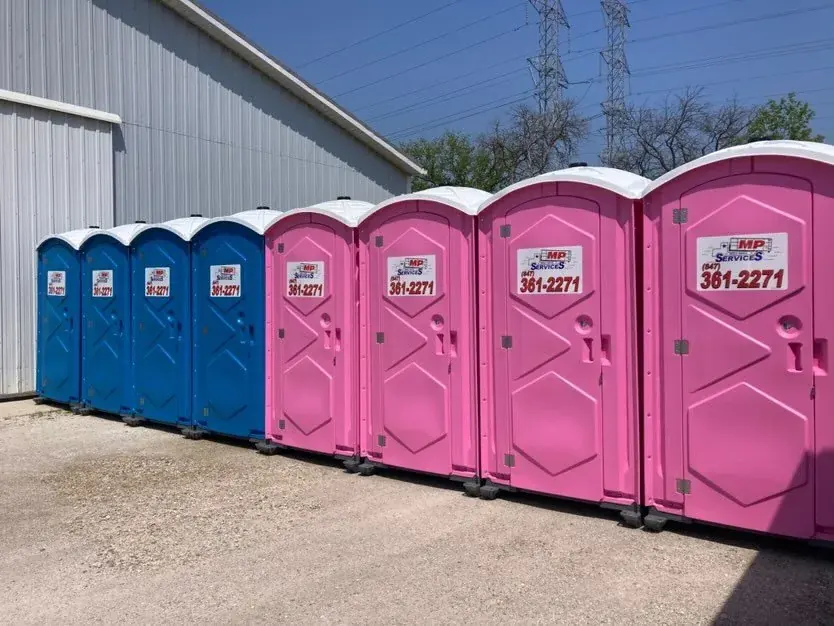
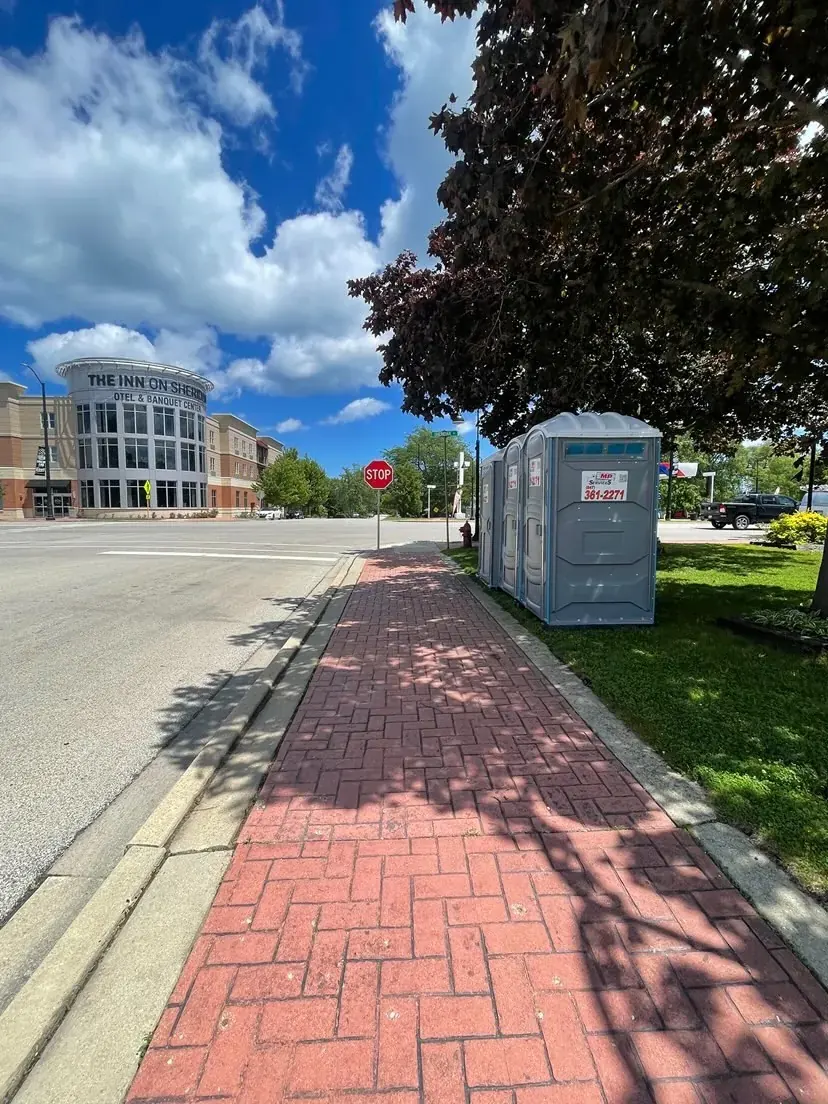
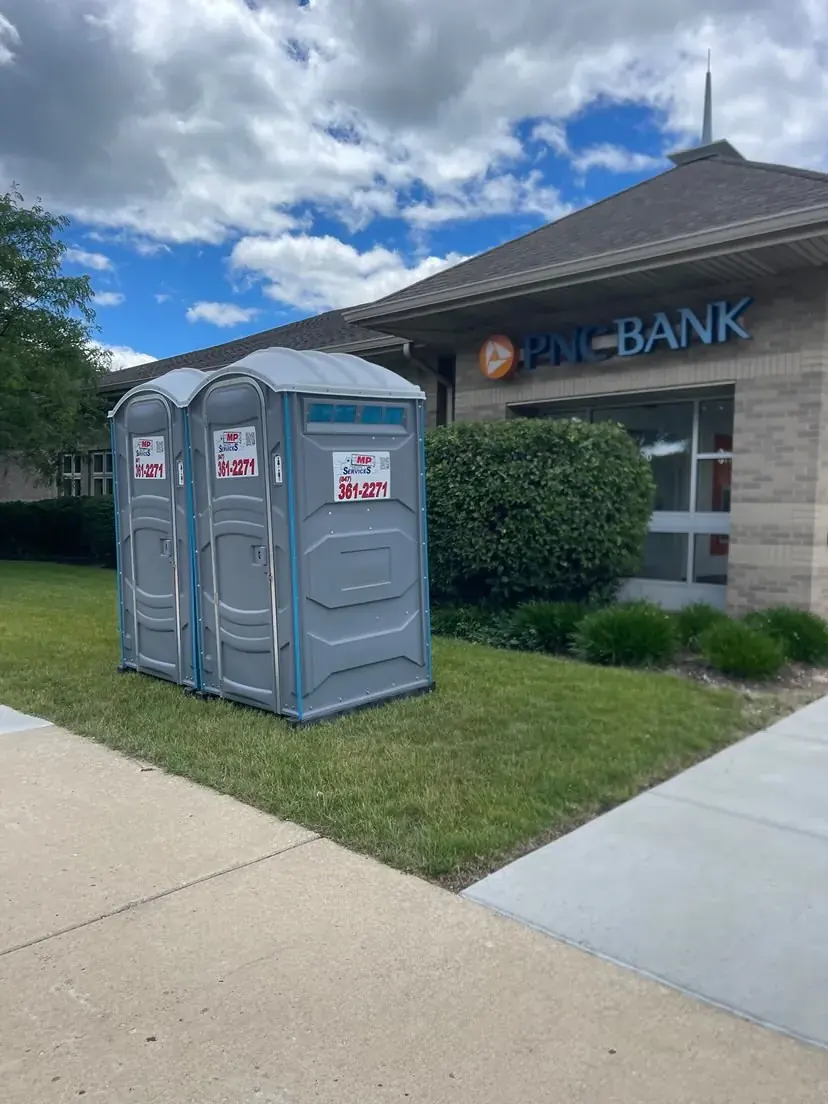
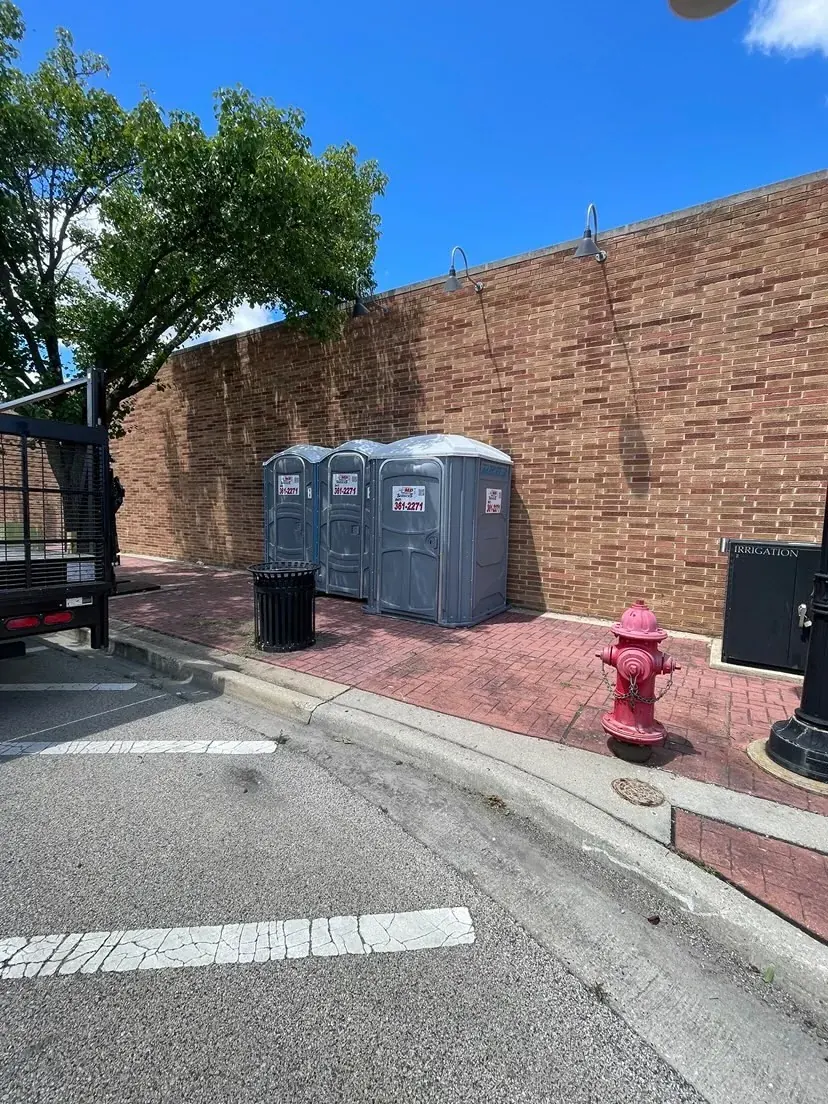
Recently around Lake County
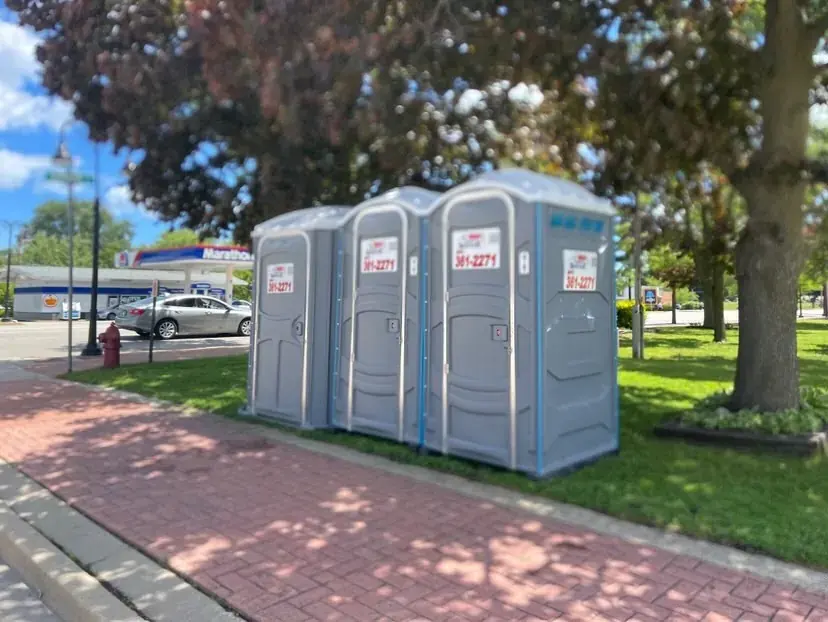
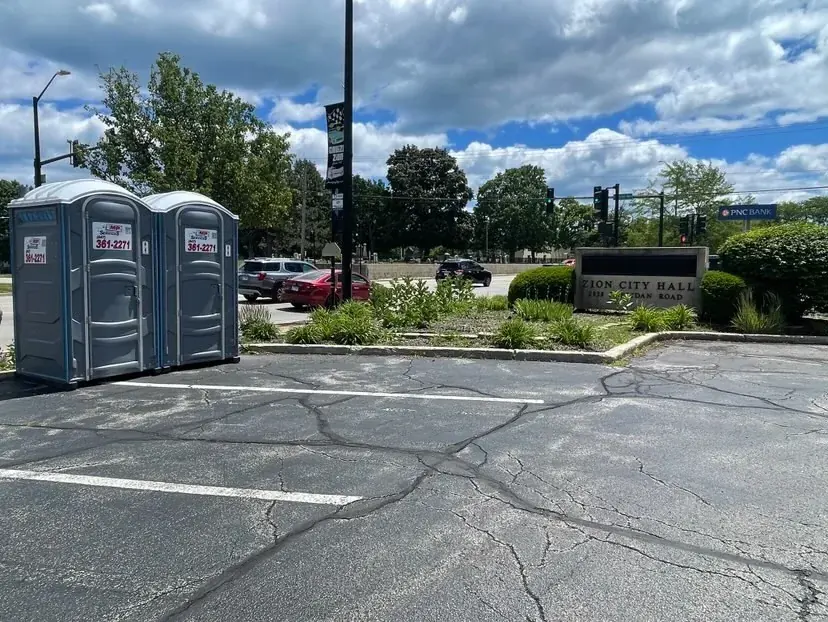
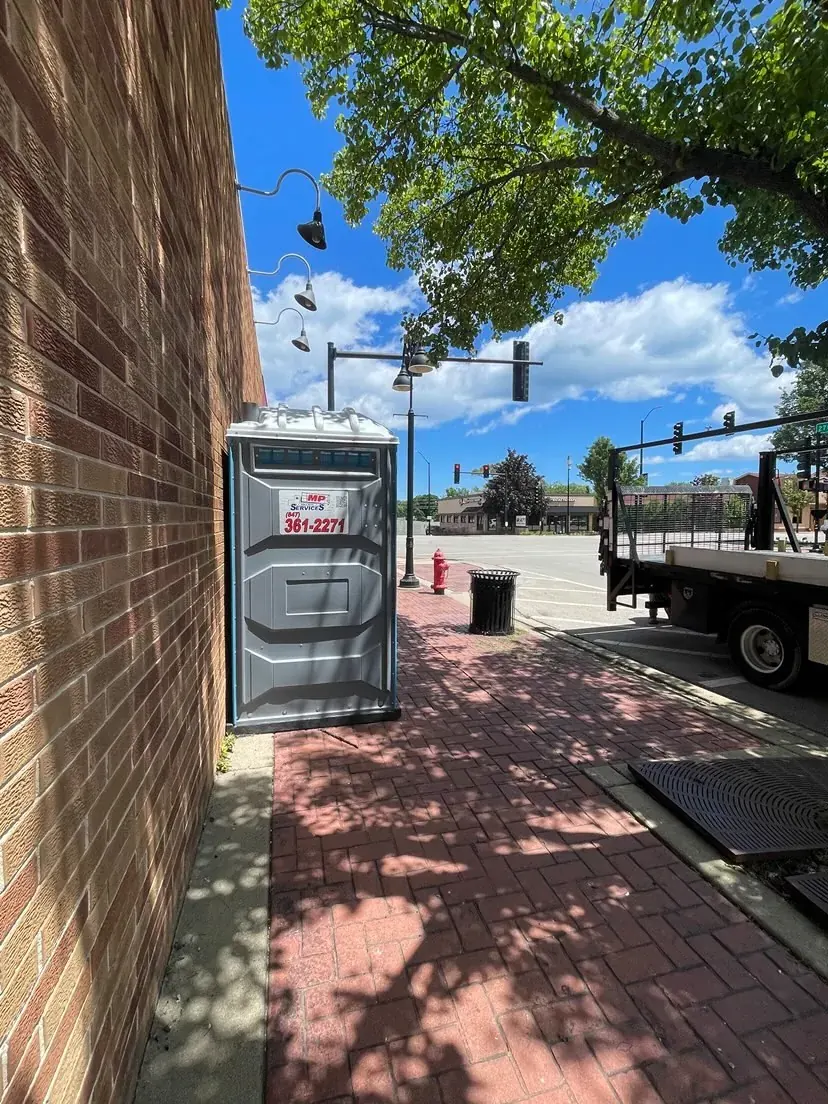
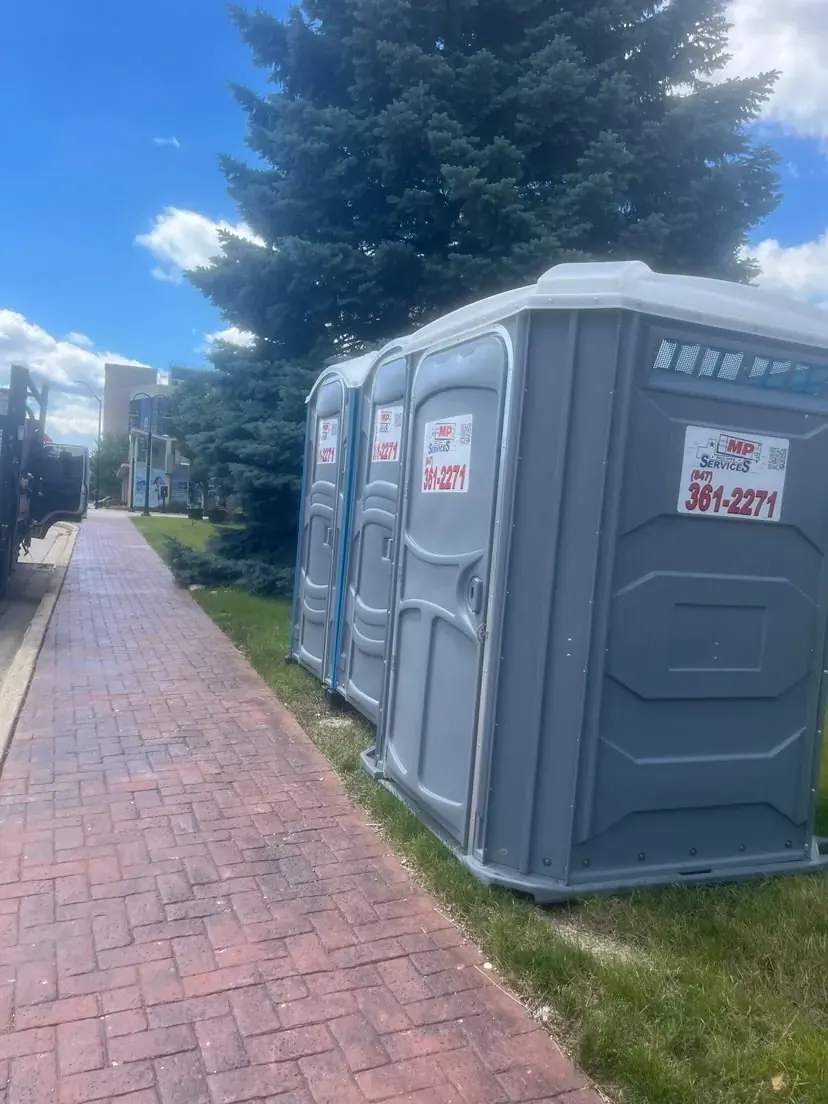
Real units on real jobs, photographed where we placed them.
What the sanitation requirement actually says
OSHA's construction sanitation standard sets minimum toilet facilities by the number of workers on site. Up to twenty workers, one toilet. Above twenty, one toilet and one urinal per forty workers. Above two hundred, one toilet and one urinal per fifty. Sites with fewer than five workers can use a single unisex facility.
Two things about that are worth saying plainly. First, the count is based on the number of workers actually on site, not the number on the payroll — so size it against your peak, not your average, or you are short on the busiest week. Second, the standard is a floor, not a target. A crew of twenty sharing one unit meets the letter of it and will not be happy about it.
The standard also requires the facilities to be maintained in a sanitary condition, which is the part that a service schedule covers. A unit that meets the count but has not been pumped in three weeks is not compliant.
Hand-washing is a separate requirement where workers are handling materials that need washing off. On those jobs a wash station alongside the toilet is not optional.
None of this is legal advice, and your GC or your safety officer may have stricter requirements than the federal minimum. Tell us the number they want and we will supply to it.
How the billing and the service day work
Monthly billing, standing service day. One invoice a month, the same amount, on a service day that does not move. That is what a contractor's accounting wants and it is what a site super wants, because the truck arriving on a known day is one less thing to track.
What a service visit covers. Pump the tank, sanitize the interior, restock paper, refill sanitizer, check the vent and the seal and the latch. Not just the pump — the checks are what keep a unit from becoming a complaint.
Relocations are normal. On a build, the right spot changes as the structure goes up. Moving a unit on site is straightforward if you flag it on a service day rather than expecting the driver to work it out.
Access on the day. A locked gate, a crane in the drive, a pour blocking the approach — any of those means a wasted trip. A text the day before reschedules it at no cost. A truck that turns up and cannot get in still costs.
Locking units. On an unsecured site, especially in a residential neighbourhood, an unlocked unit gets used by the whole street and fills far faster than your crew alone would fill it. Ask for a lock at booking rather than after the first weekend.
Scaling up and down. Crew sizes change through a build. If you go from ten to thirty for the framing phase and back down again, say so and we will add and pull units rather than leaving you short or overbilled.
Where this work comes from in Lake County
Construction work in Lake County splits into a few patterns and each sizes differently. The subdivision build-out through Gurnee, Grayslake and Antioch runs long, with crew size swinging hard between phases — small at excavation, large through framing, small again at finish. Those jobs are worth reviewing at each phase rather than setting once. Commercial and industrial work in Waukegan, North Chicago and Zion tends to hold a steadier headcount and settles into a fixed schedule quickly. Road and municipal work moves along the route, so the unit relocates rather than staying put. Residential remodels and additions in Libertyville, Vernon Hills and Lake Forest are usually one unit for a few months, and on those the placement question matters more than the count, because the homeowner is living there and the neighbours are watching. We are based in Zion and Waukegan is the main stop on the route, so northern Lake County gets the most flexible scheduling.
Common questions
Do you bill monthly or per rental period?
Monthly, on a standing service day, which is what a general contractor's accounting wants. The invoice does not change week to week and the service day does not move, so the site superintendent knows when the truck is coming.
How many units does OSHA require on a job site?
OSHA's sanitation standard sets minimums by crew size — one toilet for up to twenty workers, then additional units as the crew grows, with more required above certain thresholds. Tell us your peak headcount rather than your average, because the requirement is based on how many people are actually on site.
Can the unit be moved as the job progresses?
Yes, and on a build that is normal. A unit that made sense next to the trailer at excavation is in the wrong place once the structure is up. Relocations on site are straightforward — just say so on a service day rather than expecting the driver to guess.
What if the site is not accessible on the service day?
Tell us before the day. A gate that is locked, a crane occupying the drive, or a concrete pour blocking access all mean the truck cannot get to the unit, and a wasted trip still has a cost. A text the day before reschedules it for free.
Do you provide hand-wash stations?
Yes, as a separate unit. On food-related sites and on jobs where the crew is handling materials that need washing off, a wash station alongside the toilet is worth having rather than relying on sanitizer.
Can we get a unit with a holding tank alarm or a lock?
Locking units are available and are worth it on an unsecured site, especially in a residential neighbourhood where an unlocked unit gets used by everyone. Say so at booking rather than after the first weekend.
Serving Waukegan and all of Lake County from Zion
For your partiesFor construction
Need clean restrooms on site?
Tell us your dates, your location and how many units you need. We deliver across Lake County and keep every unit on a service schedule.