For your partiesFor construction
Standard Portable Toilet Rental in Lake County, IL
The everyday unit that fits most jobs and events. Delivered clean, placed where you want it, kept stocked.
What you get
The standard portable toilet is what most jobs and events actually need: a clean, private, well ventilated unit that is easy to place and easy to service. We deliver it, set it exactly where you want it, and keep it stocked and sanitized on a schedule that fits your project.
Every unit gets a vented holding tank with deodorizer, a toilet paper holder we keep filled, non-slip flooring, and a urinal for higher-traffic sites. We carry them in blue, pink and gray so they look presentable wherever they land.
Standard Portable Toilet Rental by town
We serve these areas. Pick a nearby town page for local detail, or just call and tell us where you need the units.
Also serving North Chicago, Beach Park, Park City, Libertyville, Mundelein, Vernon Hills, Antioch, Lake Forest, Round Lake, Round Lake Beach, Lake Villa, Lindenhurst, Fox Lake, Wauconda, Island Lake, Lake Zurich, Buffalo Grove, Highland Park, Deerfield, Lake Bluff, Highwood, Winthrop Harbor and Wadsworth.
Clean restrooms in four easy steps
- 01Tell us what you need
Call or message with your dates, location and how many units you are after. We will recommend the right setup.
- 02We deliver and place
We drop the units off clean and set them exactly where you want them, ready to use.
- 03We keep them clean
Scheduled service keeps every unit fresh: pumped, restocked and sanitized for the whole rental.
- 04We pick up
When you are done, we haul everything away. No mess, no hassle on your end.
-
02
Construction Site Toilet RentalDurable units placed where the crew is working, on a standing service day, with simple monthly billing.
-
03
Event Portable Toilet RentalWeddings, graduations, festivals and races. We help you size the order, deliver clean and clear out after.
-
04
Long-Term Portable Toilet RentalMonths-long builds and seasonal sites, on a standing service day and one simple monthly rate.
-
05
Porta Potty Cleaning & PumpingEvery rental includes scheduled service: pumped, recharged, restocked and wiped down.
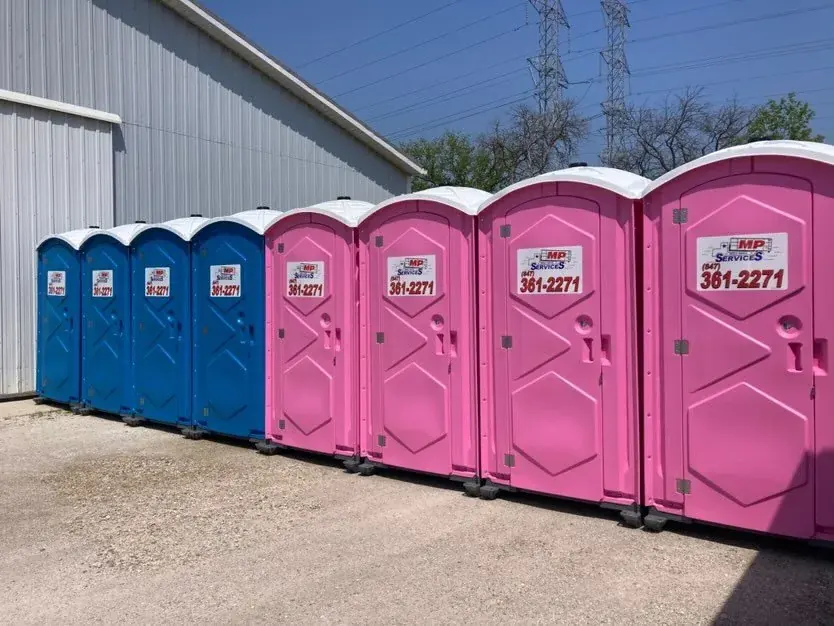
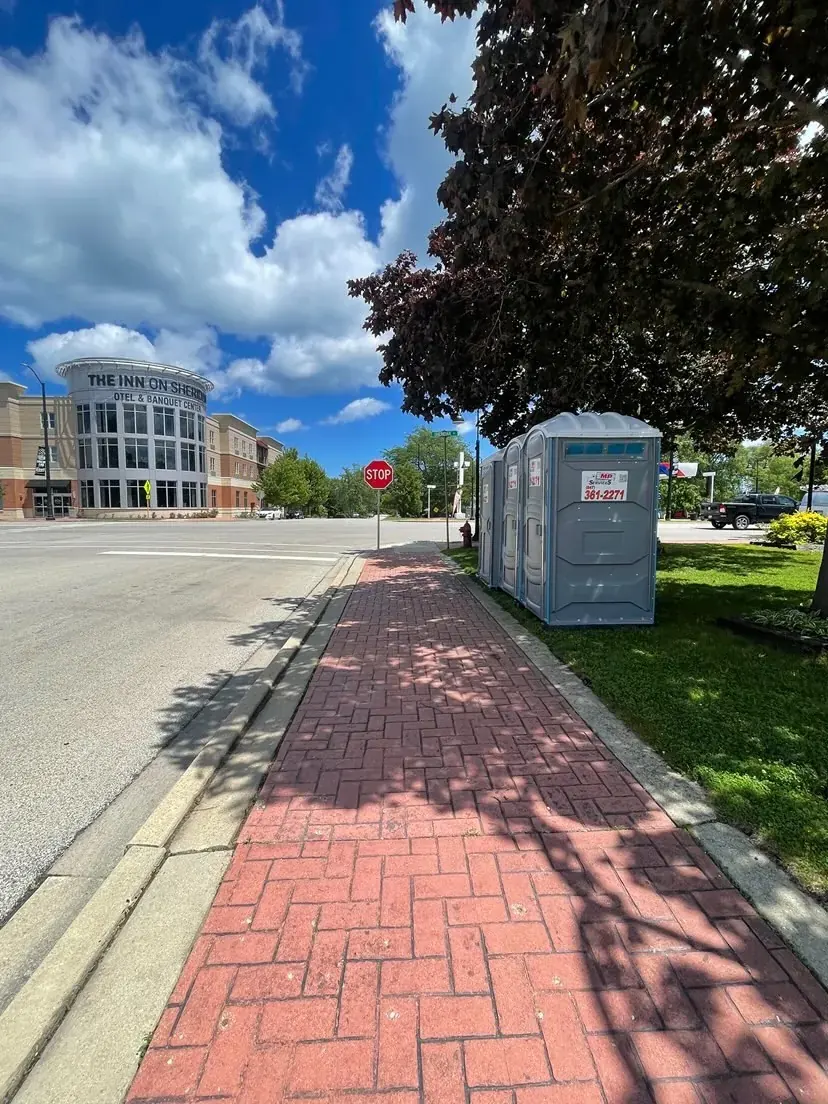
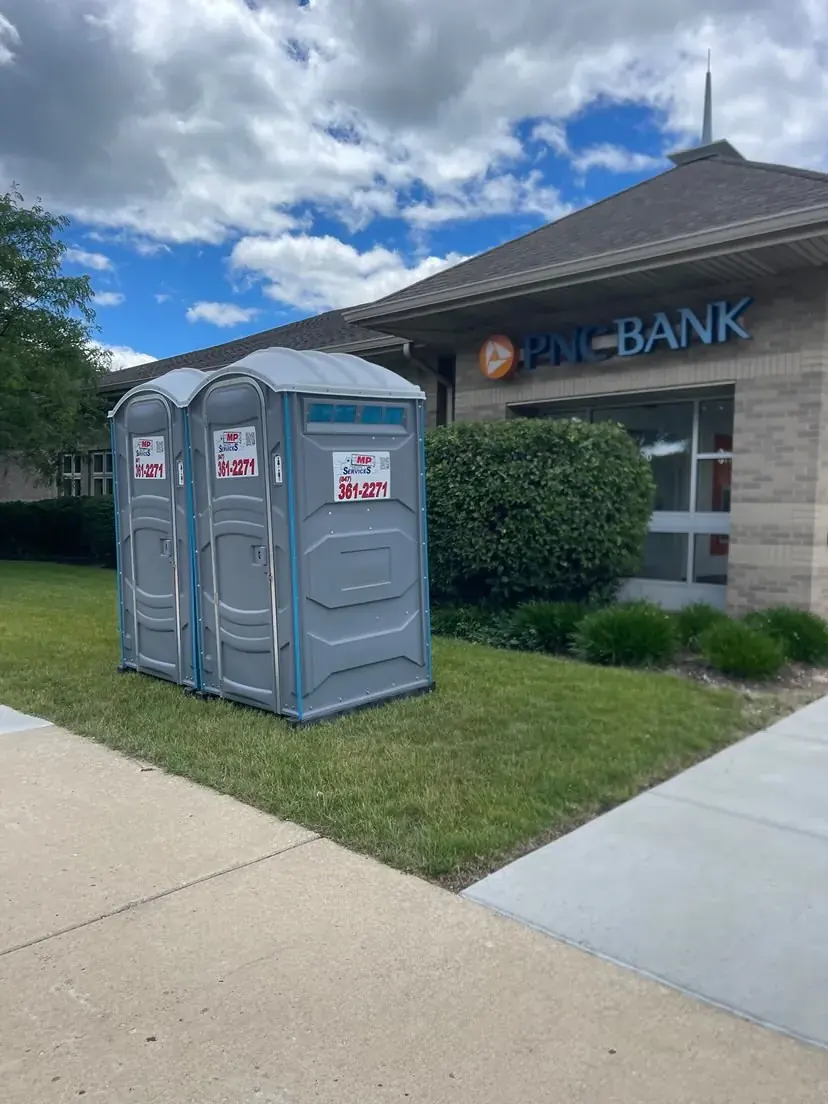
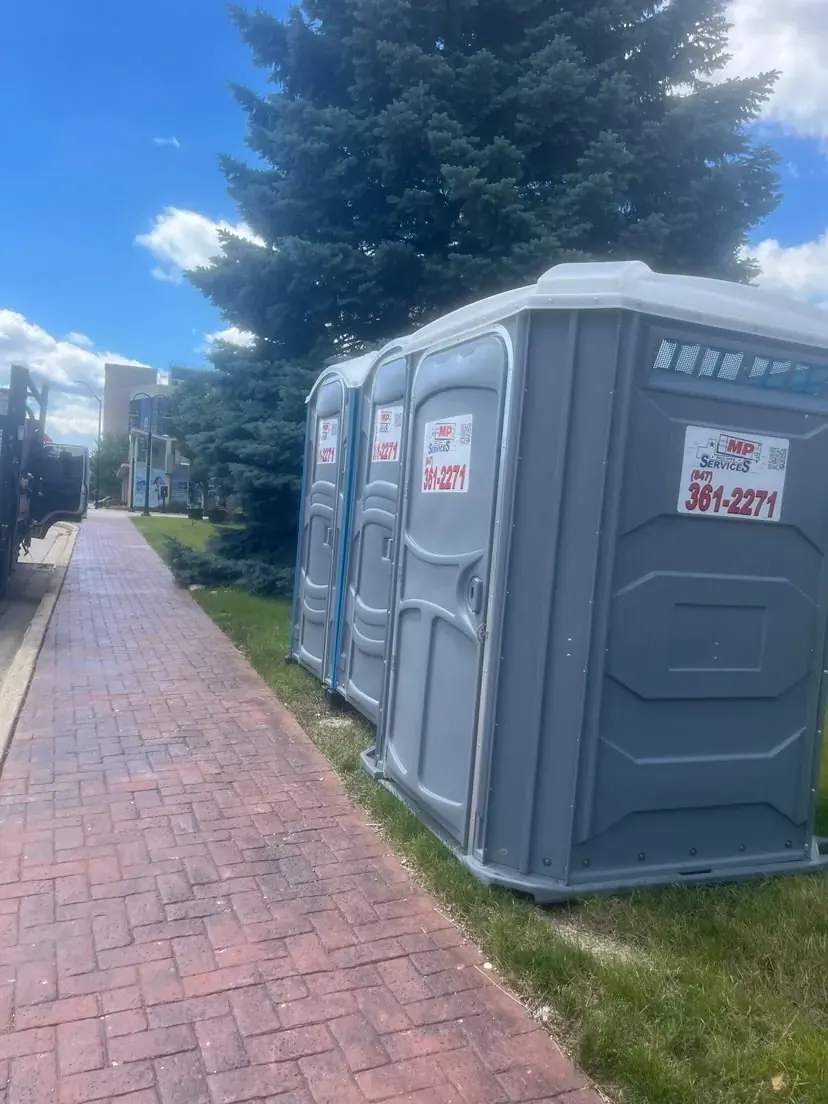
Recently around Lake County
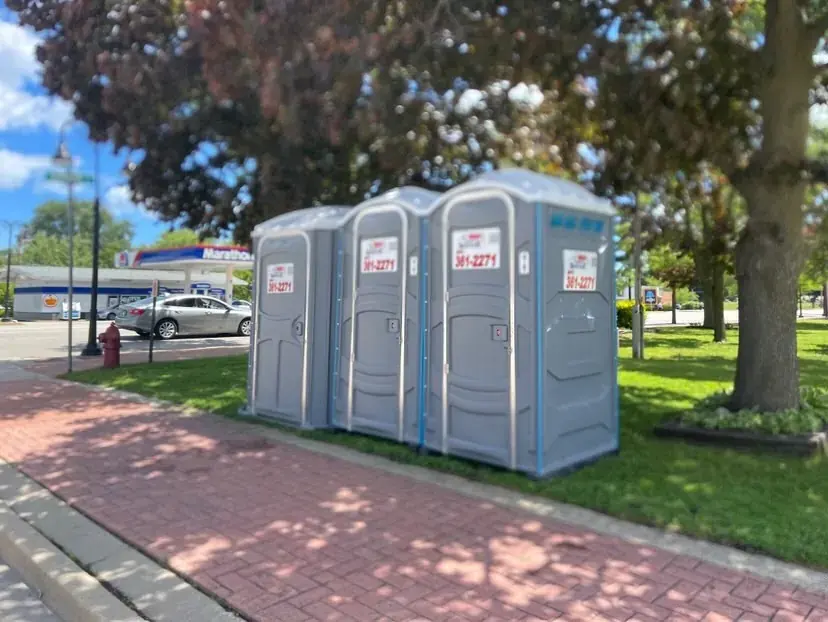
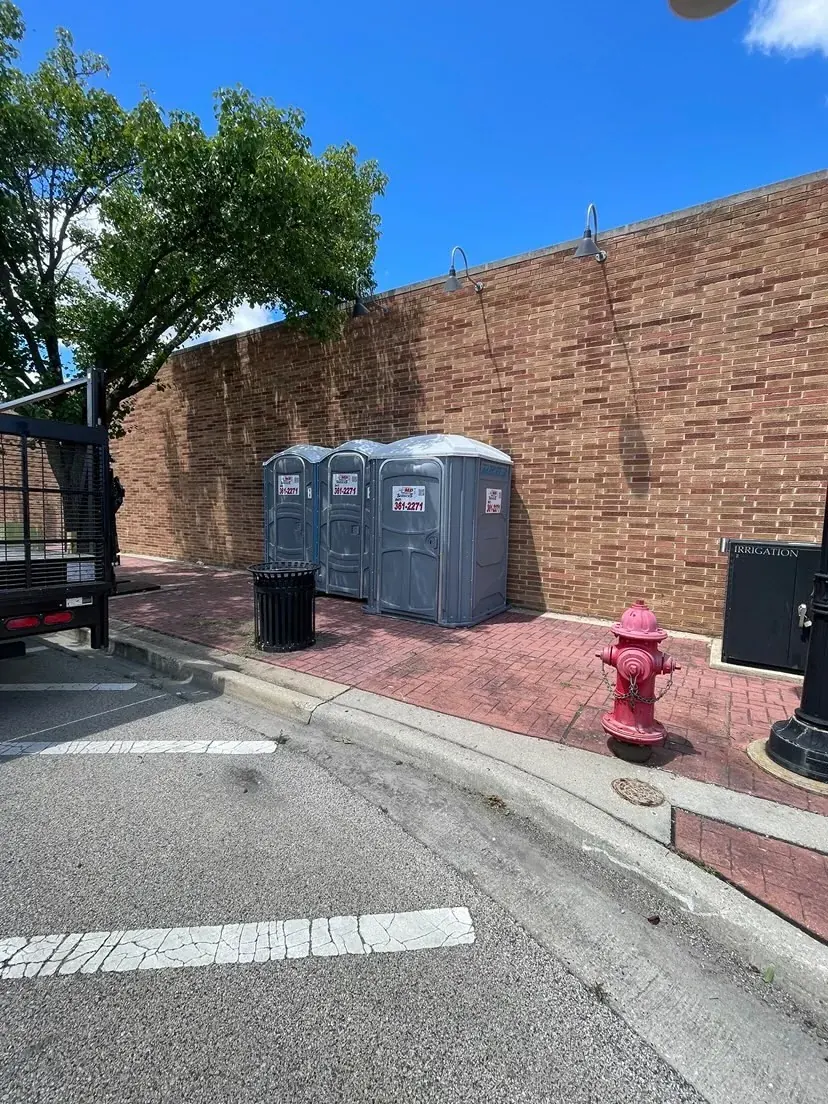
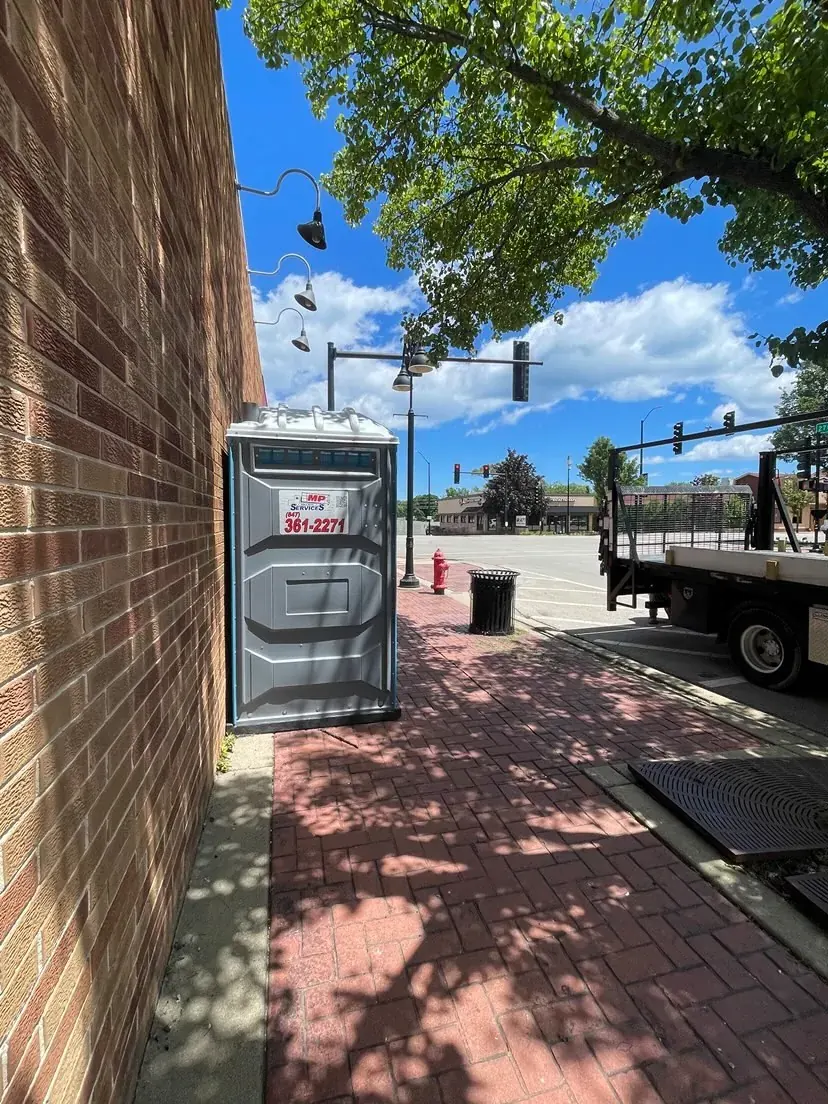
Real units on real jobs, photographed where we placed them.
Sizing the order so you are not paying for units nobody uses
Most people either order one unit for a job that needs three, or take a sales quote that padded the number. Both are avoidable with two pieces of information.
Construction and ongoing work. One unit per ten workers for a standard forty-hour week, serviced weekly. Twenty on site means two units. Above that the interval matters more than the count — a single unit serviced twice a week handles more people than the same unit serviced once.
Events. One unit per fifty guests for a window of up to four hours. Past four hours, add units rather than assuming turnover covers it. Where alcohol is served, plan on roughly double, because usage rises through the evening rather than staying flat.
The variables that push it up. A crowd with a lot of families needs more capacity than a work crew. Hot weather means more fluid and more visits. An event with food needs a hand-wash station regardless of the toilet count.
Give us the headcount, the hours and whether there is a bar, and we will give you a number and explain how we got it. If we think you need fewer units than you asked for, we will say so.
Placement, access and the mistake that costs you a service visit
A unit is four feet square on the ground and about seven and a half feet tall. That is the easy part. What decides whether the rental runs smoothly is where it sits.
The truck needs to reach it. Our service vehicle needs to get within roughly twenty-five feet with a clear line for the hose. A unit carried by hand into a back garden on delivery day is a unit we cannot service on the second visit. That is the single most common problem on residential placements.
Level ground, any surface. Grass, gravel, dirt and asphalt all work. A slope does not. Soft ground that a truck will rut after a Lake County spring rain does not either.
Think about the job changing. A spot that works during excavation is often walled in by the time framing starts. On a build, put the unit where it will still be reachable in two months, or plan to move it.
Sun and airflow. A unit in full afternoon sun with no breeze smells worse than an identical unit in shade, regardless of how often it is pumped. If there is a shaded spot the truck can reach, use it.
Wind. Open sites in Lake County get real wind off the lake. Units on an exposed pad should be staked or set against something.
Winter rentals in Lake County
Standard units run year round here and a lot of ours do. What changes is the preparation.
From late autumn we add a non-toxic antifreeze to the holding tank so the waste does not freeze solid. A frozen tank cannot be pumped, and a unit that has been left through a hard freeze without treatment usually needs to be hauled out and thawed rather than serviced in place.
The door latch is the other cold-weather failure. Moisture gets in, freezes, and the latch seizes. It gets checked on every winter service visit.
The part we need from you is access. Snow is what actually stops winter service — not the cold. If the approach to the unit is not plowed, the truck cannot get to it, and a missed visit on a site that is still in use is a problem by the following week. Keep a path clear the same way you would for a delivery.
One more thing worth knowing: usage drops in winter on most sites, so a unit that needed twice-weekly service in July often runs fine on weekly service in January. Tell us if the crew size has changed and we will adjust the schedule rather than billing for visits nobody needs.
Common questions
How many standard units do I need?
The working rule is one unit per ten people for a forty-hour week, serviced weekly. For an event it is closer to one per fifty guests for a four-hour window, and more if alcohol is being served, because usage roughly doubles. Tell us the headcount and how long it runs and we will size it rather than guessing high to sell you units you do not need.
What is actually inside a standard unit?
A toilet with a holding tank, a urinal, a toilet paper holder with a spare roll, a coat hook and a vented roof. Hand sanitizer is available and hand-wash stations are a separate unit. Ours come in blue, pink and gray.
How much space does one take up?
Roughly four feet by four feet on the ground and about seven and a half feet tall. What matters more is the approach — our truck needs to get within about twenty-five feet to service it, so a unit tucked behind a fence or up a slope is a problem on the second visit even if it is fine on delivery day.
Does it have to sit on concrete?
No. Level ground is what matters, not the surface. Grass, gravel and dirt are all fine. What does not work is a slope, soft ground that a truck will sink into after rain, or a spot that becomes inaccessible once the job progresses.
How often does it get serviced?
Weekly is standard for a construction site or a long-term rental. That means pumping the tank, sanitizing the interior, and restocking paper. Heavier use gets twice weekly. Event rentals are usually delivered clean and picked up after, with no service in between unless it runs multiple days.
What happens in a Lake County winter?
Standard units work year round. We add a non-toxic antifreeze to the tank once temperatures drop so the waste does not freeze solid, and the door latch gets checked because that is the part that seizes. Winter delivery and pickup depend on the truck being able to reach the unit, so keep the approach plowed.
Serving Waukegan and all of Lake County from Zion
For your partiesFor construction
Need clean restrooms on site?
Tell us your dates, your location and how many units you need. We deliver across Lake County and keep every unit on a service schedule.